Investing in Your Equipment: Clever Approaches for Buying Excavator Components


Investing in your equipment is a crucial strategy for any construction or excavation business. When it comes to maintaining the performance and longevity of the excavator, purchasing the appropriate parts is important. If you need to replace worn-out components or upgrade your machine for better efficiency, understanding how to choose and buy excavator parts can keep your operations running smoothly.
As the demands of the projects grow, so does the need for reliable equipment. Poorly chosen parts can lead to costly downtime and repairs, which can significantly impact your bottom line. With the proper knowledge and strategies, you can make informed decisions that enhance the machinery's performance while also being mindful of your budget. This guide will explore intelligent strategies to ensure that your investments in excavator parts are sound and beneficial for the business in the long run.
Comprehending Excavation Machine Components
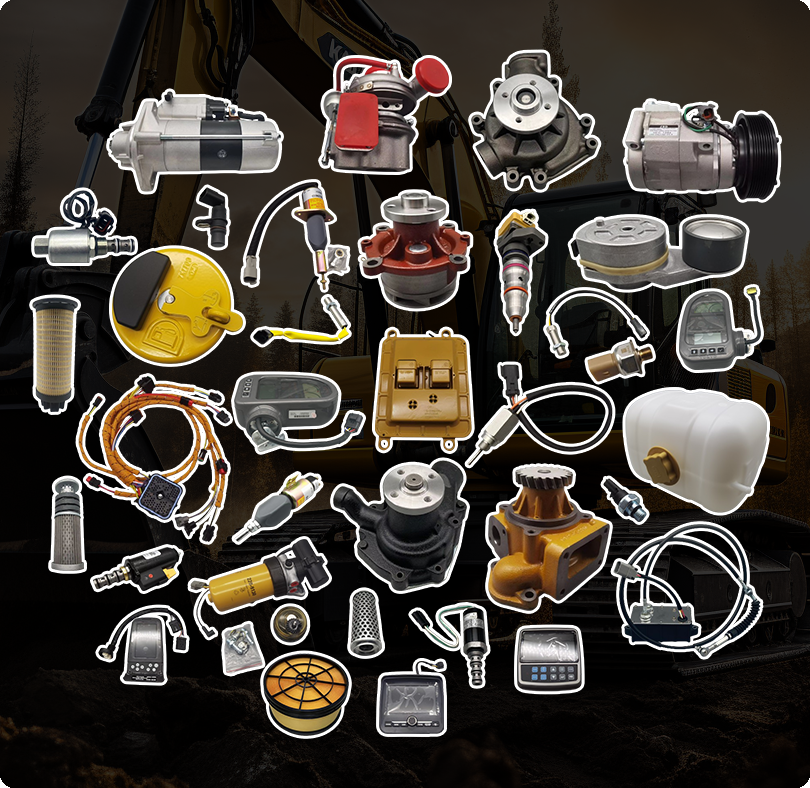
Excavation machines are multi-functional machines employed in various building and earthmoving tasks, and their efficiency largely depends on the caliber of their components. Each component of an excavator holds a crucial function in its overall efficacy, from the fluid system to the undercarriage. Grasping these parts helps users and possessors make wise decisions when acquiring replacements or improvements.
Key components of excavation machine components include the lifting arm, arm, scooper, and fluid power systems. The boom provides the primary lift power, while the manipulator extends the reach for more delicate work. The bucket is vital for excavating and hauling materials. Additionally, the hydraulic system powers these movements, making it crucial for the machine's operational performance. Routine maintenance and prompt substitutes of these parts can notably prolong the equipment's durability and efficacy.
When acquiring excavator components, it is important to factor in elements such as compatibility, standard, and vendor credibility. Original Equipment Manufacturer parts are often suggested for reliability, but aftermarket options can offer affordable alternatives if picked with caution. Ensuring that components meet equipment standards will help prevent issues and ensure peak effectiveness in any task.
Key Considerations for Purchasing
As purchasing digging machine parts, one of the most critical factors to consider is compatibility with your specific machine. Various models and brands may use distinct components, so it is essential to check part numbers and specifications. Understanding the model of your excavator will help ensure that you acquire the appropriate parts to avoid issues related to fit or function. Failure to select compatible parts can result in costly downtime and repairs.
Quality is another significant aspect to assess while buying excavator parts. Choosing genuine OEM (Original Equipment Manufacturer) parts can often provide more reliability and durability compared to aftermarket options. However, high-quality aftermarket parts can also be a feasible choice if sourced from reputed manufacturers. Make sure to research the reputation of the supplier and check out reviews to gauge the quality of their offerings. Investing in superior parts can result in enhanced performance and more durable equipment.
In conclusion, consider the overall cost and warranty options associated with the excavator parts you intend to purchase. Although it may be tempting to go for the lowest price, the cheapest option may not necessarily deliver the best value in the long run. Assess the balance between cost and quality, and ask for warranties or return policies that can protect your investment. A solid warranty can provide security and safeguard against unforeseen issues following the purchase.
Maintaining Your Assets
To ensure the longevity of your excavator parts, routine maintenance is essential. Establishing a routine maintenance schedule can help spot potential issues before they develop into significant problems. Regular inspections, cleaning, and lubrication can dramatically prolong the life of critical components. Additionally, maintaining the machine and parts free from dirt and debris will help to uphold optimal performance and prevent premature wear.
Appropriate storage of spare parts when not in use is also vital. Exposing excavator parts to the elements can result in rust and degradation, which could compromise their integrity. Employ climate-controlled storage facilities whenever you can, and make sure that parts are stored in a dry environment. By looking after your spare parts, you can guarantee they are prepared for use when needed, maintaining their quality and performance.
Finally, invest in knowledge and training for your team. Understanding the specific requirements and nuances of your excavator and its components can result in better decision-making regarding maintenance and repairs. Providing continuous training will enable your operators and maintenance staff to effectively care for your equipment, enhancing the return on your expenditure in excavator parts.